Heart surgery
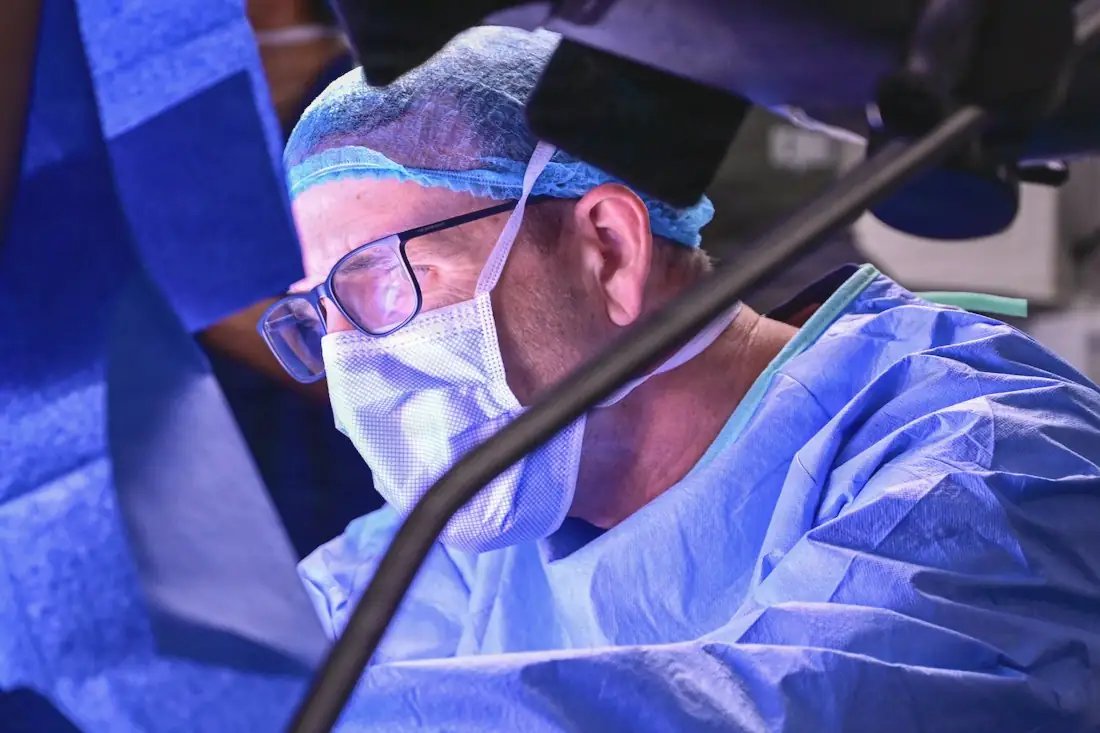
Minimally invasive heart surgery uses smaller incisions or catheters for some heart problems
Minimally invasive heart care is not one operation. It can mean a surgical repair through a smaller opening, a repair delivered through a catheter, or a treatment done from inside a blood vessel [1][2].
Key points
- Minimally invasive surgery can repair a leaking mitral valve, and these repairs can last 20 years or more [2].
- Catheter-based mitral repairs are mainly for people at high risk from surgery, and their durability is up to 5 years [2].
- Open surgery is most common for dissections of the ascending aorta and the aortic arch, while inside-the-vessel treatment is used for some descending aorta dissections [1].
- Numbing injections between chest muscle layers are conditionally recommended after minimally invasive cardiothoracic surgery [3].
- Aortic dissection is life-threatening and needs swift diagnosis [1].
Minimally invasive heart surgery describes several different approaches
Which approach fits you depends on the heart problem, where it sits, and how risky surgery would be for you [1][2].
| Approach | What it means | Where it is used |
|---|---|---|
| Minimally invasive surgery | Surgical repair through a less invasive route [2] | Mitral valve repair, with results that can last 20 years or more [2] |
| Transcatheter therapy | Repair delivered through a catheter [2] | Select high-risk patients with suitable anatomy [2] |
| Endovascular intervention | Treatment from inside the blood vessel [1] | Some descending aorta dissections with complications [1] |
A heart-lung machine, called cardiopulmonary bypass, is part of many heart operations. A clinical perfusionist is responsible for running it. Guidelines for this machine also cover minimally invasive surgery [4].
Mitral valve repair shows what smaller-incision surgery can achieve
Mitral regurgitation means the mitral valve does not close fully, so blood leaks backward from the left ventricle into the left atrium [2]. Advances in surgical technique allow minimally invasive treatment with durable results that last for 20 years or more [2].
Treatment choices rest on several factors, listed below [2].
- How severe the leak is and whether you have symptoms [2].
- How the leak affects the heart chambers and the circulation in the lungs [2].
- How likely it is that a repair or a replacement will work and last [2].
- Your age, other health conditions and expectations, which can affect how long a replacement valve lasts [2].
Echocardiography (an ultrasound of the heart) and cardiac magnetic resonance imaging allow accurate diagnosis. They also help define the best timing for treatment [2].
Transcatheter mitral therapy serves people who face high surgical risk
Transcatheter therapies are safe and feasible alternatives for people at high operative risk or with reasons they cannot have surgery [2]. They can give good results in select patients with suitable anatomy [2]. Their durability is up to 5 years [2].
Ongoing trials will show whether these therapies work well in people at lower operative risk [2].
Aortic dissection repair depends on where the tear is
Aortic dissection is a tear in the inner layer of the aorta, or bleeding within its wall, that splits the wall layers apart [1]. The choice of repair depends on the severity and location of the dissection and the risks of surgery [1].
Open surgical repair is most commonly used when the ascending aorta or the aortic arch is involved [1]. Minimally invasive endovascular treatment is appropriate for descending aorta dissections complicated by rupture, poor blood flow to organs, ongoing pain, low blood pressure or high-risk imaging features [1].
Why this matters
Recent advances in understanding aortic dissection mean more patients are now seen as being at substantial risk of complications and in need of endovascular treatment, rather than medical or surgical treatment alone [1].
Fascial plane blocks may reduce pain after chest surgery
A fascial plane block is a numbing injection placed in the layer between muscles near the surgical area. The American Society of Anesthesiologists task force strongly recommends these blocks for adults after open cardiothoracic surgery. The goal is less pain, less opioid use, or both, in the first 24 hours [3].
For minimally invasive cardiothoracic surgery, the recommendation is conditional, meaning weaker. It is aimed at reducing pain in the first 24 hours [3]. For children, the strong recommendation covers open cardiac or thoracic surgery [3].
The task force noted that the data were limited by low methodologic quality, inconsistent outcome measures and small sample sizes [3].
An enhanced recovery pathway for lung surgery lists steps that aim to support recovery
A consensus guideline on lung surgery recommends a systematic care pathway, and the authors note it has the potential to improve outcomes [5]. It is about lung surgery, not heart surgery, but it shows how recovery planning works in chest operations [5]. Recommended elements include:
- Minimally invasive surgery [5].
- Regional anesthesia and pain control that limits opioids [5].
- Control of nausea and vomiting [5].
- Early removal of the chest drain [5].
- Avoiding urinary catheters [5].
- Getting moving early after surgery [5].
Before surgery, the same pathway recommends counseling, nutrition screening, smoking cessation, and exercise preparation for high-risk patients [5].
When to get care
Aortic dissection is a life-threatening condition that needs prompt medical attention
Aortic dissection is life-threatening, and swift diagnostic confirmation and adequate treatment are crucial [1]. For that reason it calls for prompt medical attention [1].
Risk factors include high blood pressure, abnormal blood fats and inherited connective tissue disorders such as Marfan syndrome [1]. Ongoing pain and low blood pressure are among the features that can lead doctors toward inside-the-vessel treatment for a descending aorta dissection [1].
If you think you may have a medical emergency in the United States, call 911 or go to the nearest emergency room.
Left ventriculoplasty devices remain under study in the United States
Some newer device-based treatments aim to reshape the left ventricle, the heart's main pumping chamber, in people with heart failure with reduced ejection fraction [6]. Two left ventriculoplasty devices are under investigation in pivotal clinical trials in the US [6].
The review that describes them calls the field rapidly emerging and points to challenges in establishing such therapies [6].
Sources
- Aortic dissection Nature reviews. Disease primers
- Degenerative mitral regurgitation Nature reviews. Disease primers
- 2026 American Society of Anesthesiologists Practice Guideline on Perioperative Pain Management Using Local and Regional Analgesia for Cardiothoracic Surgeries, Mastectomy, and Abdominal Surgeries Anesthesiology
- 2024 EACTS/EACTAIC/EBCP Guidelines on cardiopulmonary bypass in adult cardiac surgery British journal of anaesthesia
- Guidelines for enhanced recovery after lung surgery: recommendations of the Enhanced Recovery After Surgery (ERAS®) Society and the European Society of Thoracic Surgeons (ESTS) European journal of cardio-thoracic surgery : official journal of the European Association for Cardio-thoracic Surgery
- Transcatheter left ventriculoplasty EuroIntervention : journal of EuroPCR in collaboration with the Working Group on Interventional Cardiology of the European Society of Cardiology
Not medical advice. This page is general education written from the sources above. It cannot diagnose a condition or replace a licensed clinician who knows your history. If you may be having an emergency, call your local emergency number or go to the nearest emergency department.